The end of the financial year (EOFY) can be a hectic time for many businesses across New Zealand.
The financial year runs from 1 April to 31 March, and this period is when businesses need to ensure their accounts are up to date and their tax information is ready to file with Inland Revenue.
What Businesses Need to Know for FYE
If you don’t use a tax agent, you need to file your income tax returns by 7 July each year for the financial year that ends on 31 March.
If you use a registered tax agent (a bookkeeper or accountant), you generally have 12 months to file your tax return.
Bookkeepers and accountants are usually granted an extended accounting period. This allows us to spread the workload throughout the year, which is why March is busy for bookkeepers and accountants. We have until 31 March of the following year to file your tax return.
Prep for the Year-End
By 31 March, your bookkeeper will need your financial information. This is so they can accurately file your tax returns, provide you with financial reports, and comply with legal requirements. You’ll need to:
Make sure your financial records are in an easy-to-find place.
Know your tax deadlines.
Complete your payroll obligations.
Ensure all employee data is up to date.
Look back on the past year and plan for the financial year ahead.
For NZ business owners, keeping financial records is required for compliance. Good financial records help you make informed business decisions. Bookkeepers rely on you for key details about your business, including invoices and income, expenses, receipts, bank account information, and asset purchases. It’s good practice to keep a record of the following:
Bank Accounts
Reconciling bank accounts against your income and expenses is a key responsibility for year-end, and can be a time-consuming task. This involves comparing your bank statements to your accounting records, noting any discrepancies, and adding or subtracting items to ensure they match.
If you don’t use accounting software, you will need to provide your bookkeeper with bank statements for your bank accounts for the financial year. We’ll need a record of your closing balance(s) for year-end.
Credit Cards
You can reconcile your credit cards in your accounting software or provide your bookkeeper with the statements. If you have used a personal credit card for business transactions throughout the year, it can be helpful to highlight these on statements.
Loans, Financial Agreements or Debts
If you’ve taken out any new investments, loans, or hire-purchase agreements during the year, you’ll need to provide statements for these. We also need details of any business funds or assets used or purchased privately. At year-end, we’ll require the closing balance for any outstanding loans.
Sales and Purchase Invoices
You’ll need to provide your bookkeeper with any sales and purchase invoices acquired throughout the year. This includes expense receipts for large purchases, legal or insurance expenses, and office expenses.
Provide your bookkeeper with details of all paid or unpaid invoices from sales or services provided. This is where accounting software can be a useful tool for generating invoices, keeping records, and preparing annual accounts.
Cash
Your bookkeeper will need to reconcile your petty cash receipts and cash balance for the year-end. Cash transactions should be recorded in a cash book to accurately track income and expenses to comply with legal tax requirements.
Stock
If you’re a retail or manufacturing business, you’ll need to prepare a stocktake for 31 March. Stocktakes involve physically counting the items you have in stock. This is so we can compare the numbers on your balance sheet and ensure they match up to calculate taxable income and provide accurate financial data for audits and financial reporting.
Business Vehicle
Keep a record of any vehicles that are used for business in a logbook and record mileage throughout the year.
Payroll
If your business has employees, staff payments must be reconciled like any other transaction. Payroll is often one of your biggest operating expenses. It requires the calculation of net pay, taxes, deductions and accurate reporting.
At the financial year end, you will need to verify employee details, calculate earnings and deductions, generate tax summaries (P60S), reconcile payroll data, and submit payroll reports to IRD.
Why Use a Bookkeeper?
Bookkeeping isn’t just about keeping your numbers accurate. A good bookkeeper helps you understand what those numbers mean and supports you to make better decisions for your business.
Here are some of the ways a bookkeeper can help:
Recommend and set up the right accounting or payroll software
Save you time by managing tasks like bank reconciliations and record keeping
Prepare financial reports so you can see how your business is really performing
Make sure your tax information is accurate and ready for filing with Inland Revenue
Help ensure you’re claiming all eligible business expenses
Support you with budgeting and planning for future growth
Help you stay compliant and avoid penalties
Working with a bookkeeper also gives you peace of mind. Our fees are usually tax deductible, and our support can often save you more than it costs.
Most importantly, without up-to-date and accurate books, it’s difficult to calculate your tax correctly or make confident decisions about pricing, spending, and growing your business. A bookkeeper helps keep everything on track so you can focus on running your business.
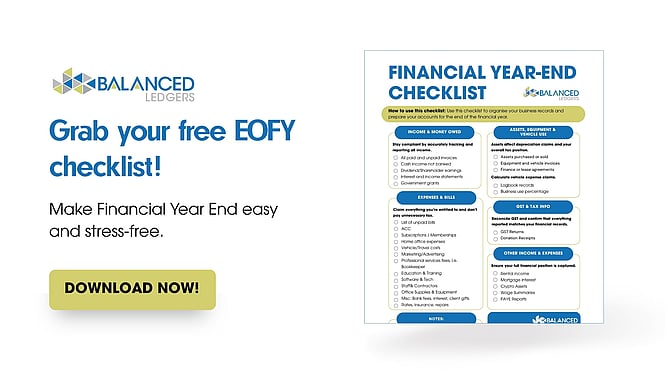
Make Financial Year End easy! Grab my free End of Financial Year Checklist and make sure you're ready for tax time!