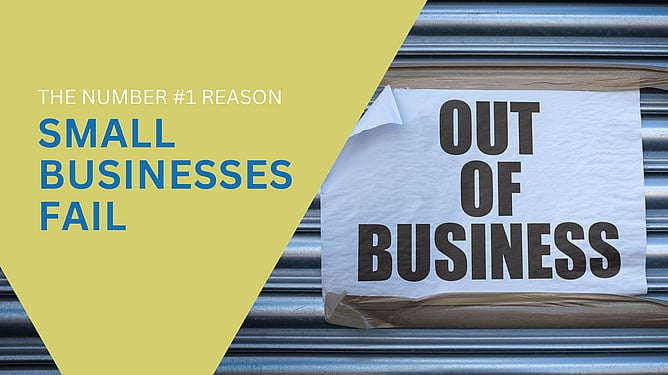
The number one reason for small business failure in New Zealand is a lack of cash flow. Not having enough money to pay your bills is sure to lead to service interruptions, late fees and interest, damaged relationships, and potentially legal action and insolvency. These issues are often the result of a lack of financial planning.
January is often the worst time of year for businesses to get paid. Only 38% of small businesses report being cash flow positive in January; this is because most of the country is on holiday.
It can be a tough time for New Zealand businesses with cash flow issues, holiday expenses, and delayed invoice payments. This is especially true for small businesses (SMEs). However, with some forward thinking, you can plan effectively for the slower months and implement strategies that can help you prevent cash flow challenges throughout the year.
#1. Stay on top of Invoicing
In January, businesses reported that 62% of invoices were overdue, with payments averaging a delay of 12 days. Late invoice payments can be one of the biggest challenges for businesses, not just in January, but throughout the year.
To help prevent this, ensure you send out invoices promptly and offer convenient payment options to encourage faster payment. Where possible, consider incentives like small discounts for early payments or late fees for overdue accounts.
You can also use automation tools and accounting software, such as Xero or MYOB, to streamline invoicing and send payment reminders [Link to automating invoicing and expenses blog]. These platforms can reduce admin time. Furthermore, look at setting up a prepayment system. This can ensure you have a continuous cash flow coming in, reduce the risk of non-payment and show customer commitment.
#2. Plan for Seasonal Changes
I suggest building a reserve fund during busier months to cushion your business through slower periods. You can do this by automating small transfers into a savings account to make the process easier. But you can plan for slower months with a cash flow forecast.
Cash flow management is the process of making sure you have enough money coming in to help avoid financial troubles. While a budget can lay out the financial plan for your business, a cash flow forecast can help predict the future health, plan for slower months, prioritise critical expenses (such as wages and rent) and defer non-essential spending.
#3. Find Other Means of Income
Businesses that operate without a budget will often find themselves reacting to financial issues as they arise, rather than proactively managing their finances. If cash is tight, you could consider approaching a bank for a loan that you can pay back during busy periods or ask for an overdraft.
Alternatively, you could get creative with your income streams by planning promotions during slower periods, selling excess inventory, or exploring new services that align with your business. For example, hold a post-holiday sale to encourage spending or offer discounted packages for early bookings.
#4. Negotiate With Suppliers
Suppliers may be open to extending deadlines or setting up payment instalments for loyal customers. If cash flow is tight, reach out to your suppliers to discuss flexible payment terms. Negotiating with suppliers during a cash slump can provide immediate relief and help free up cash for critical expenses like payroll and rent.
But you don’t have to wait till budgets are tight to start negotiating with suppliers, planning for seasonal changes, or automating your invoicing. With a smart financial plan, you can predict cash flow shortages and stay prepared for those slower months, like January, avoiding costly mistakes that lead to failure.
Want to know how your business is performing regularly? Set yourself on the path to success and get in touch for a free, no-obligation chat.